
Talgje to Mandal
Wednesday 19. July
The summer sail trip this year goes to the south of Norway. The first part will involve crossing an open stretch along the Jaeren coast line. For some days now we have had south west gales, not a time to undertake a voyage here in a small sail boat. But by the 20th the conditions seem to improve, with a north west breeze that is predicted to last for several days. The aim is to pass the southernmost point, Lindesnes, sometime the coming weekend.
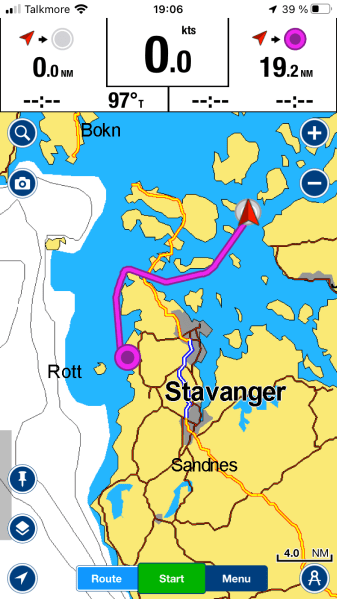
The first leg goes to Tananger, where my brother in law will come on board. I started from our home port, which I like to say is in the centre of Stavanger. Not the city centre, but the geographical centre of Stavanger municipality, since the merging of Stavanger with the two municipalities to the north, Rennesøy and Finnøy.
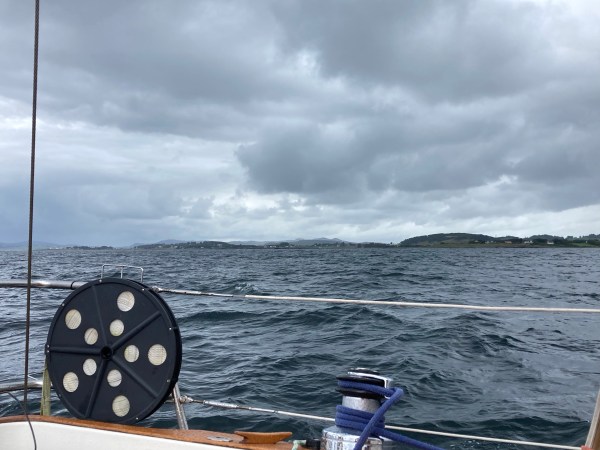
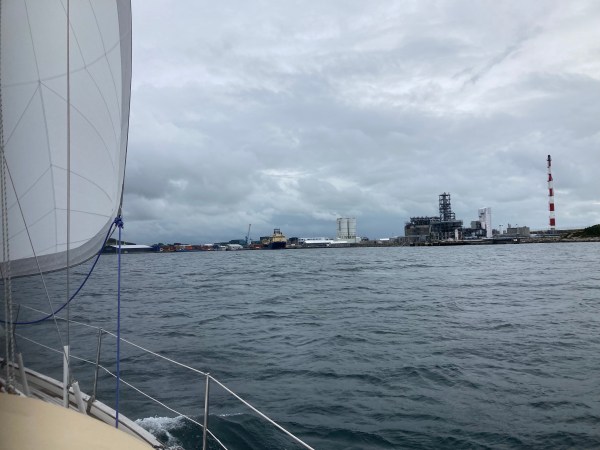
The weather forecast said rainy spells and a good breeze from the west, which meant headwind until we could round the point at Tungenes. From there it was easy sailing to the well protected harbour in Tananger. Arrived at 18.00.

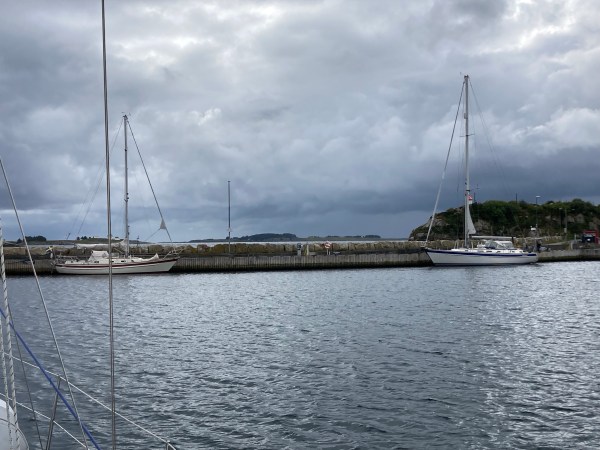
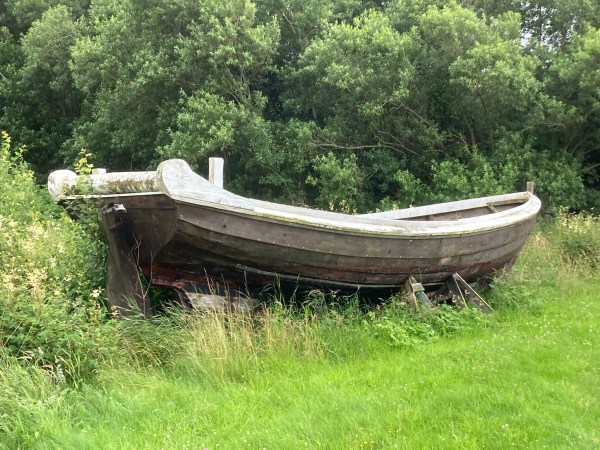
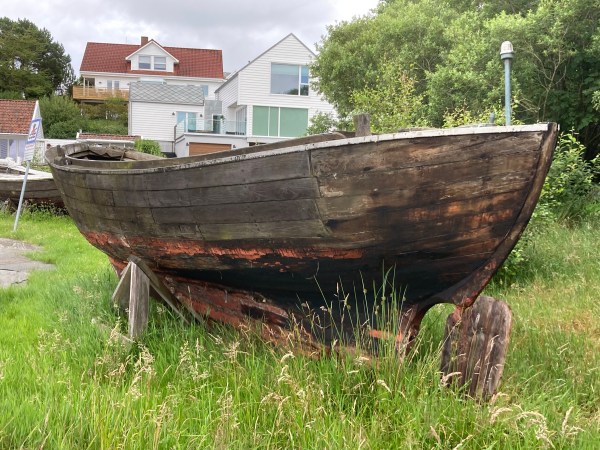
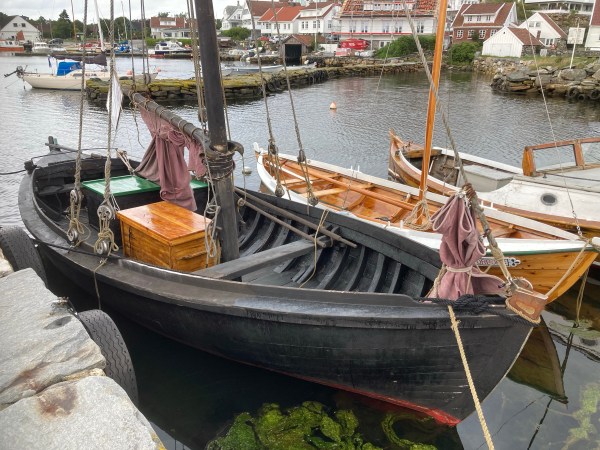
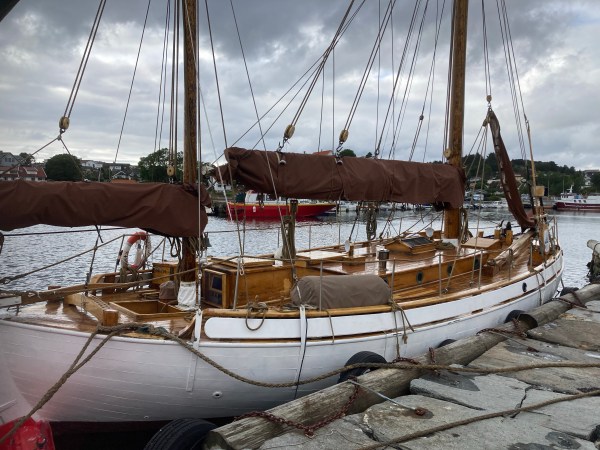
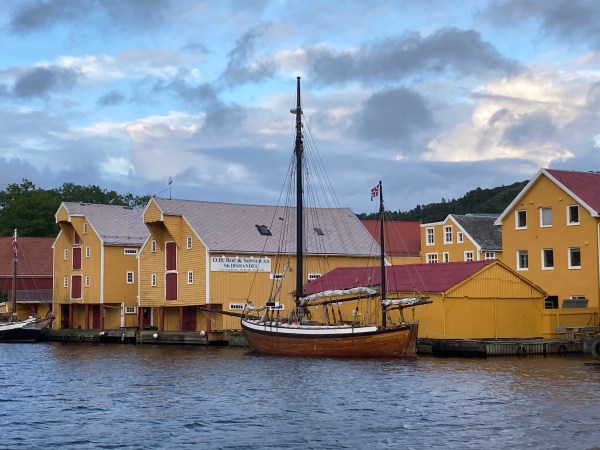
A walk around the harbour of Tananger in the evening. There is a museum here, that is part of a national organisation to preserve and keep alive local traditions along the coast. Here are some examples of boats that were very common when I grew up, and some very well preserved and functional working boats. The Tananger served as pilot cutter until 1962, built in 1930.

Thursday 20. July
Although calm and safe behind the breakwater in Tananger, I could hear the wind in the rigging through the night. By morning it had settled down a bit, but the forecast said stiff breeze to little gale along the coast, from NW to W. The direction would be fine for us, going south. We were berthed just next to the pilot boat, which came and went all night and morning. When they came back around 11 I asked one of the crew how it was out there. “There is a swell from west” he said, “which boat do you have?” I pointed it out. “I wouldn’t be out there now in such a small boat! I recommend to wait until next morning.” Talking to the people in the Swedish boat, they said they would wait until next morning too.
Tarald, my brother in law came. We talked it over. If we went now, we could make it to Egersund before nightfall, and around Lindesnes by Friday, as the conditions would improve. And what should we do there all day? Go home and come back later? So we decided to go.
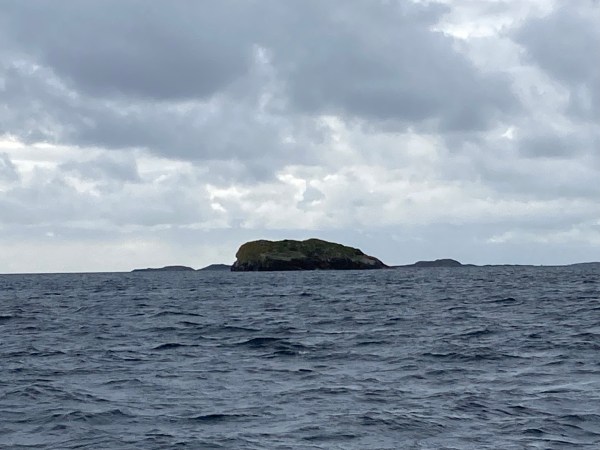
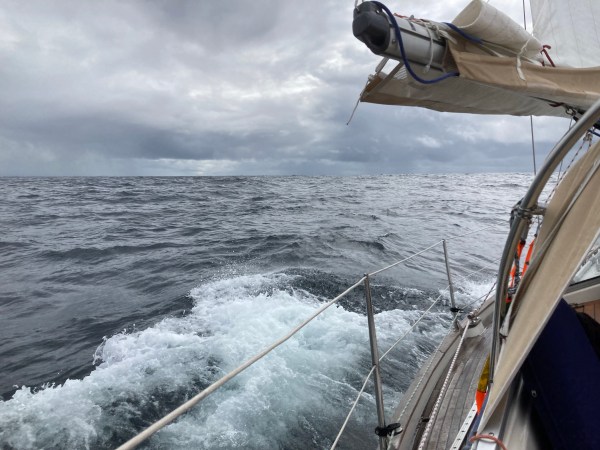
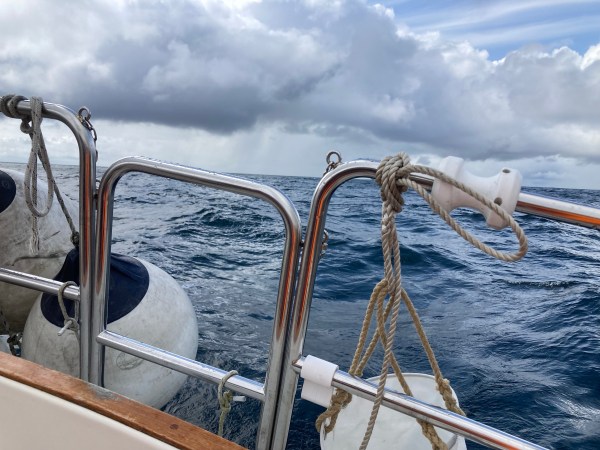
Starting out a little before noon, we were out of the harbour by 12.30, setting a deep reefed main, and then a partly rolled out head sail. For the first hour we were still protected by the islands and skerries to windward. From there it was still an hour until we could turn south to south east, and have the wind and waves further back. To shorten that time, we started the engine and pushed ahead at 6-7 knots. The swell was 2-3 metres, but old sea, as we say, long and gentle. The boat rode over them with ease. One moment you only see the big wave coming towards you. The next moment you are on top of it and sliding into the next valley.
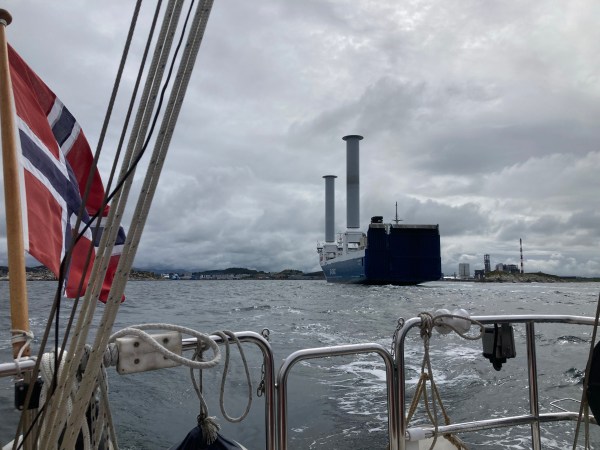
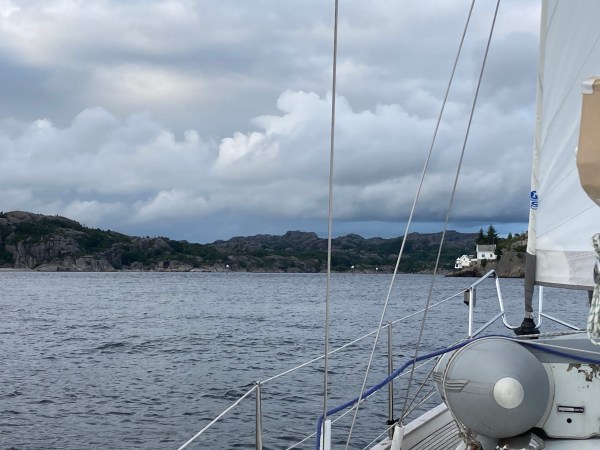
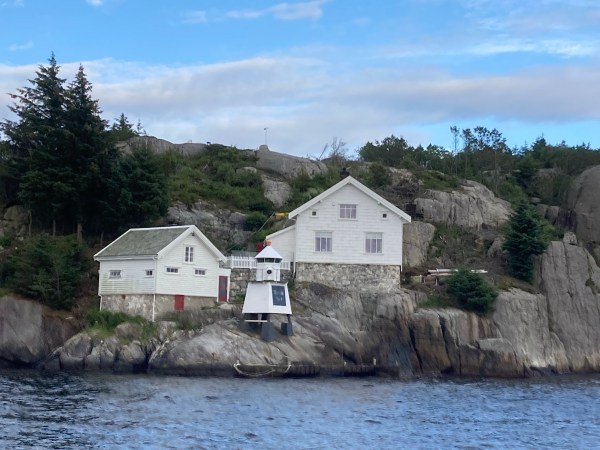
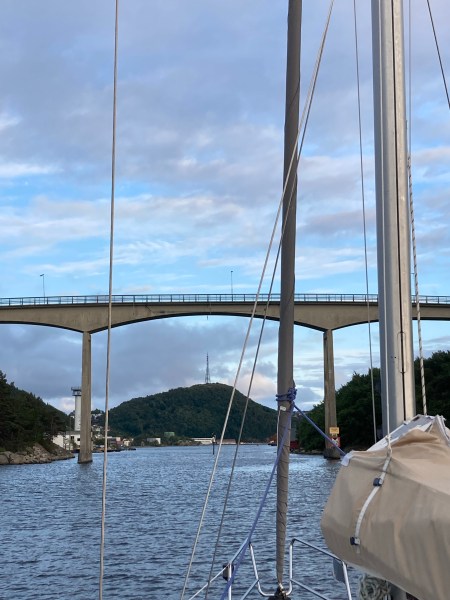
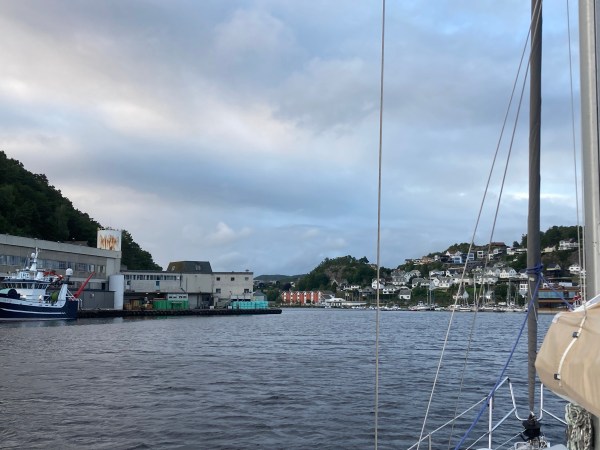
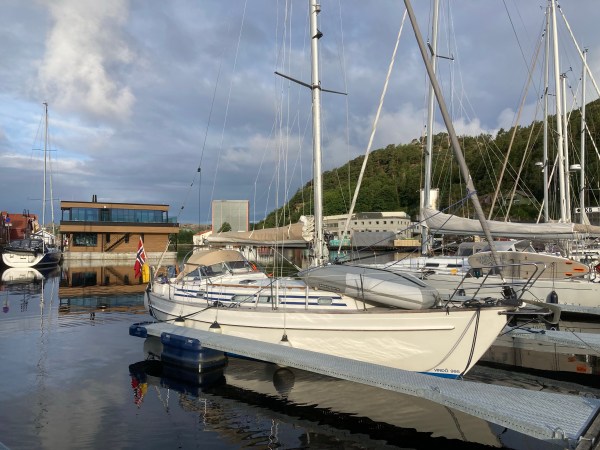
We rounded the reef around 14 hrs. From there it was four hours of sailing until we could head into the northern inlet to Egersund. The wind died down considerably, but could still carry us in behind the skerries. Egersund lies in a narrow sound between the Eigerøya island and the mainland. I have been there many times, but never arrived by sea. It is something quite different coming to a place from the sea than over land. As some sailors I met on the west coast last year said: “Until now, we have only seen the back side of places. Now we get to see the fronts.” I know what they meant. And I think travelling slowly like you do when sailing, having time to take in the landscape, the settlements, small villages and towns, and seeing how people have found their homes and livelihoods under varying circumstances, is a journey of formation.


Friday 21. July
We got up early, had a quick breakfast, and left the dock at 07.45. As soon as we were out of the south sound we set the foresail. A nice westerly breeze pushed us along at 3-4 knots. The sun warmed and the sea was smooth. Everything looked like a good day at sea. Even the current would eventually turn in our favour. The genaker, or flying cute, would be preferable, we thought. We set it around nine, and kept it up until around 16.30. Then the wind had picked up to a near gale. There are big forces at work in such a big sail, even if ours is rather small compared to the bigger boats. Tarald steered downwind and kept the sheet tight, while I was at the mast easing down the halyard. Or trying to. I had it around the winch, at the same time as trying to pull the canvas in to the deck. Suddenly it jumped off the winch. There was no chance to hold it back, but I stupidly tried, resulting in warm hands! Pulling the wet sail out of the sea was a relief!
Everything sorted out, we rolled out the genoa and continued with near the same speed as before, plus minus six knots. By 18 hours we were past Lindesnes, the southernmost point of mainland Norway.
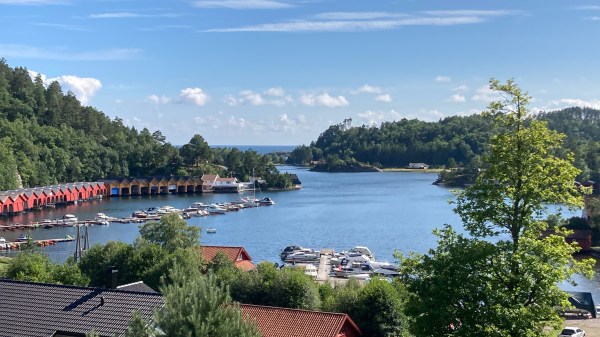
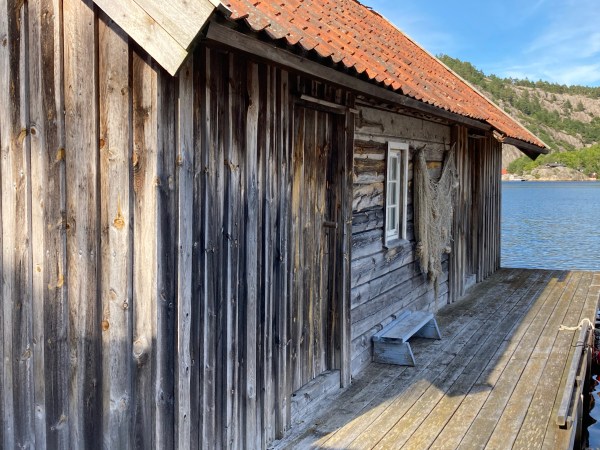
Our destination was the Tjaum bay, where Tarald and his family have a cabin. The bay is well protected, with good holding ground if you would like to drop the anchor. Tarald, however, had arranged for us to berth at the pontoon belonging to the local boat club.
The inlet is very narrow and shallow, therefore sailboats are rare in the bay. There is only half a metre difference between high and low tide here in south Norway. High tide was at 19.50 that day. We were through by 20.00. Depth was no less than two metres. The keel is 1,6 metres deep, so there was a good enough margin.
After rounding Lindesnes, the sea was flat, but the wind good. We sailed in behind small islands and skerries, right up to the narrow inlet. This is one of the best sailing days we have had. Twelve hours of cruising along at around six knots on average.

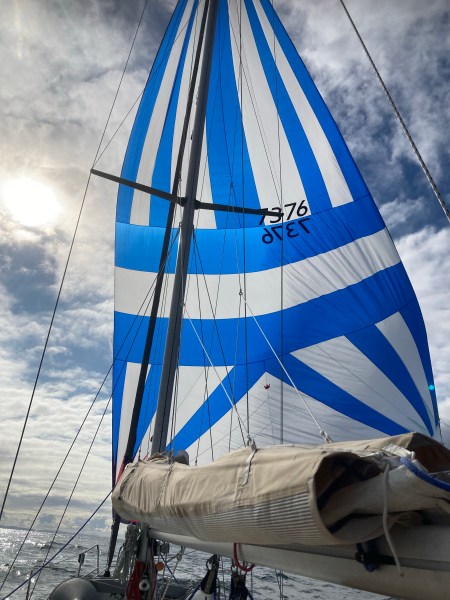

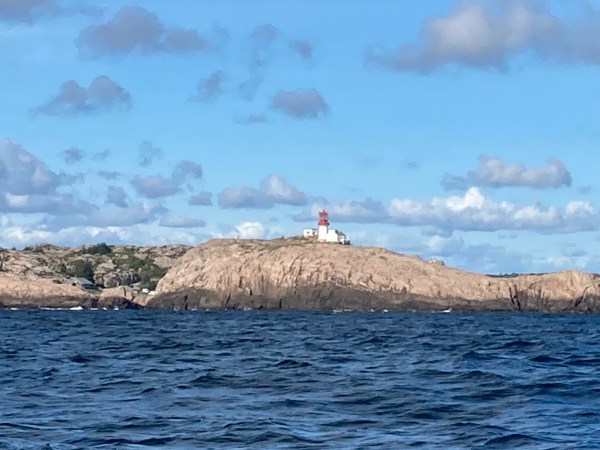
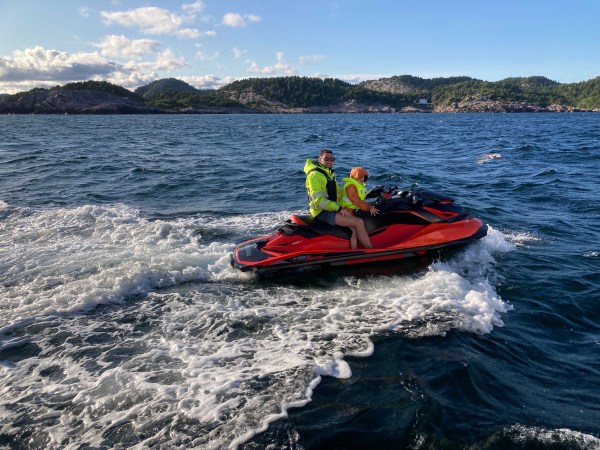

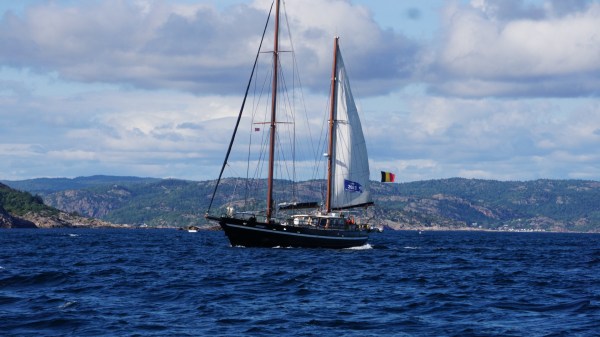
The Tall Ships Races pass around the south coast three times this summer. One leg cruising, not competing, from Fredrikstad to Lerwick this week. We met some of the smaller ships along the way, others we saw at a greater distance. Here are some.
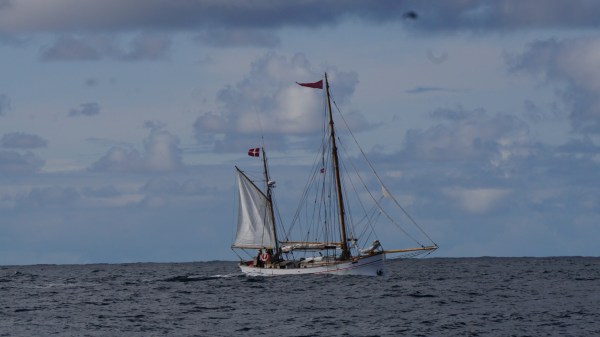
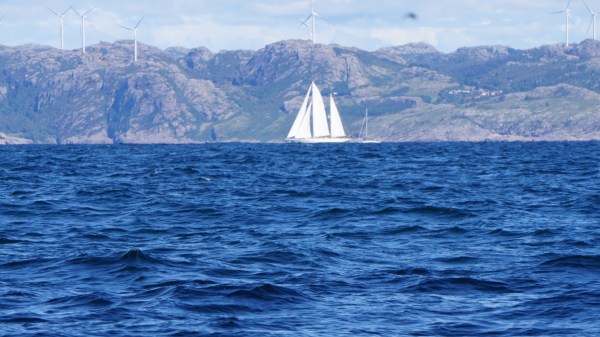
Saturday to Sunday 22. – 23. July
We stayed put for a couple of days. Ellen came Saturday. We visited with family, went to a garden concert Saturday night, and went for walks in the area.




Monday 24. July
Time to continue a little further east. We are not going very far, the little town of Mandal will probably be where we go back. After a late breakfast, and a cup of coffee at Svanhild and Tarald’s summer house, we left the bay around noon. It was high tide, but as mentioned earlier, there is not much difference between high and low here, and the level was higher than average anyway due to low pressure coming in (which we would see later in the week).
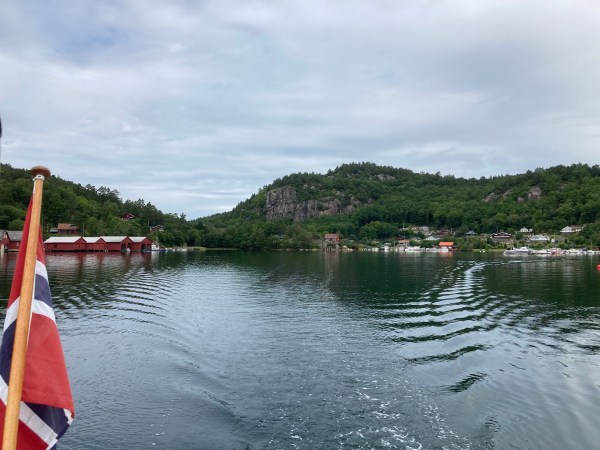

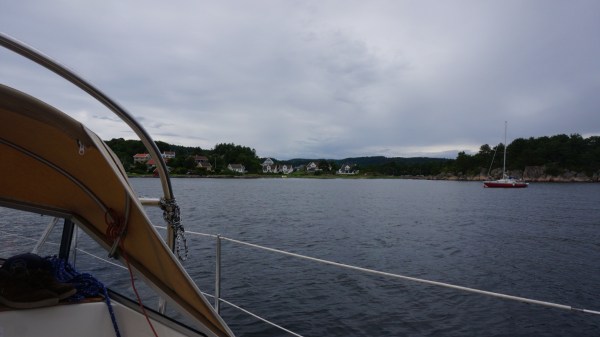
A new web site, harbourmaps.com (norskhavneguide.com), shows many places to find a berth or anchorage. It also shows a degree of protection for the coming night, based on the weather forecast. Very helpful if you are not familiar with the area. We had found a place just outside of Mandal, but first we would like to check out a little island, Hille, with a bay to the east, which might be an interesting place to stop. However, because of the shape of the hill above the bay, there would likely be strong gusts of wind. So we continued to the place which was marked as good anchorage on the map. We anchored at 5 metres and laid out around 20 metres of chain, backed up until the anchor dug in, and made dinner. A very quiet evening and night came, with a growing moon hanging on the west sky. We lit the anchor light and settled down with a book. Can it be better?

Tuesday 25. July
The low pressure that was forecast showed its first signs in the morning. It took a little while to get the anchor up because of the wind. There is something I need to fix with the arrangement at the bow to make it more efficient. Anyway, once we were free we steamed into Mandal, which lies at the mouth of the Mandal river. The name may come from the old norse name for sea, marr. Mandal is the southernmost town in Norway, and an old centre for fishing and shipping. The river provides a good harbour just in from the sea.
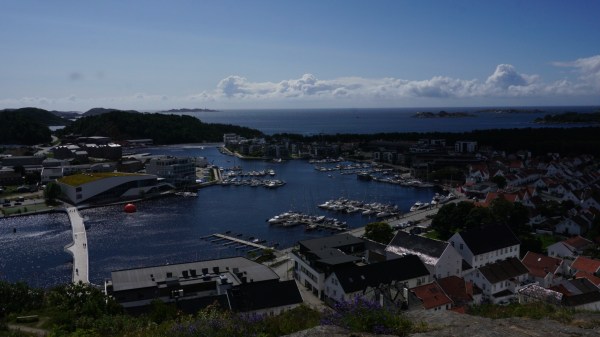
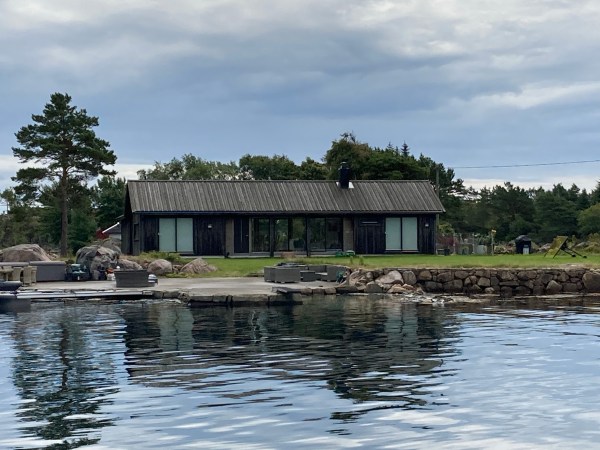
One of the differences in the landscapes between the west and south coasts of Norway is that the strip of islands and fjords is so much narrower in the south. There are hundreds of small islands and inlets, with many beautiful places to visit by boat. Some of the islands have permanent settlement, but what dominates the shores are the countless little summer houses, and some very big and modern ones. The weather is also milder, with more sunny days than in the west, making the south coast very popular as recreation area for people from both further west and for those in the bigger cities in the east.

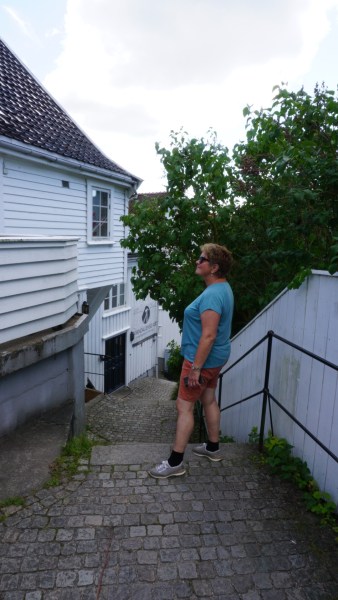
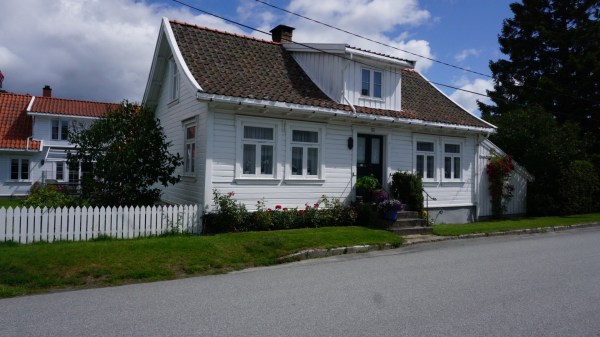
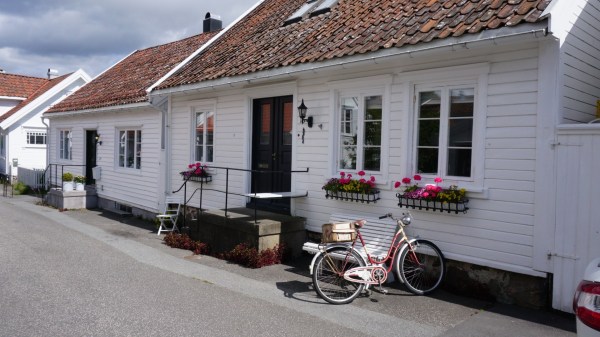
Going ashore and exploring the local town or village is a nice reward when we have arrived. Here is a little selection of the older houses in Mandal. Very representative for the small costal towns in south Norway.
Although a nice and sunny day, it was also very windy, with gusts in the gale region.

Wednesday 26. July
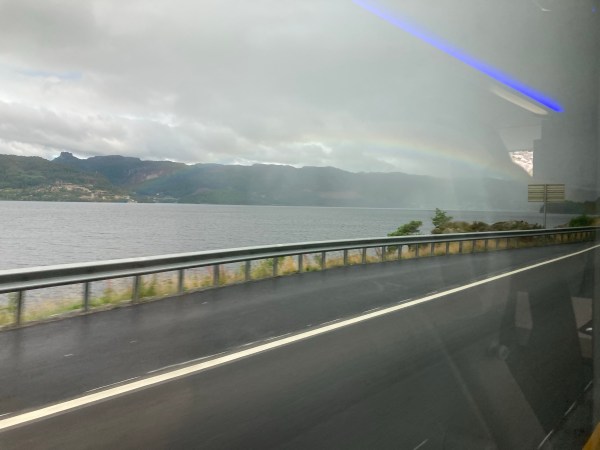
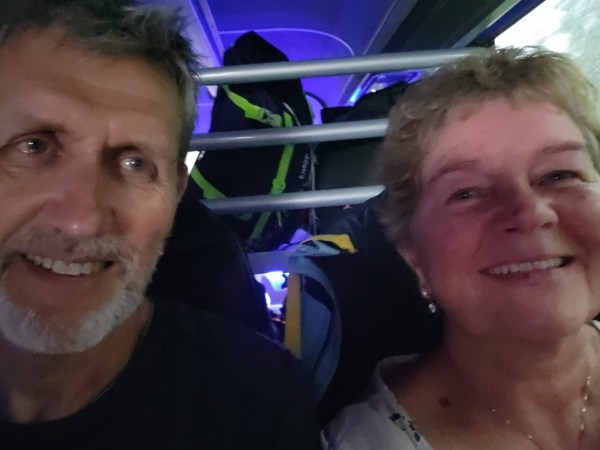
The morning came with rain and strong winds. We were going home for a couple of days, basically for a cousin reunion on Eilef’s father’s side. We had booked bus tickets to the nearest bus stop from home, where our son Nils David met us. Undoubtedly it is much faster to travel by bus or car than by sail. Where the bus journey took four hours, it took four days to go the same distance. But travel by fossil fuelled means is a modern invention, soon to become a thing belonging to a very short time in human history. I liked my nephew’s (age 9) comment: “Sailing is much more environment friendly, isn’t it?”
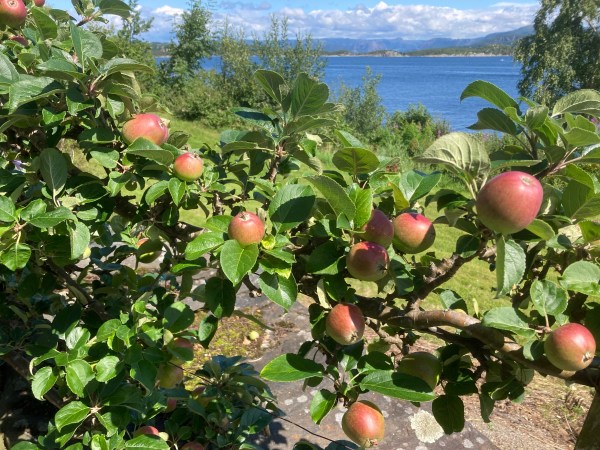
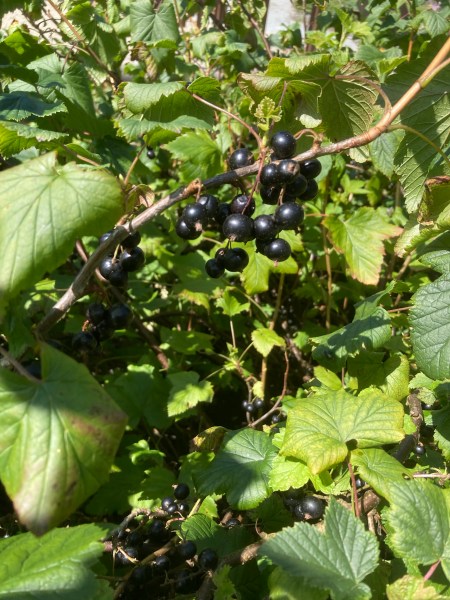
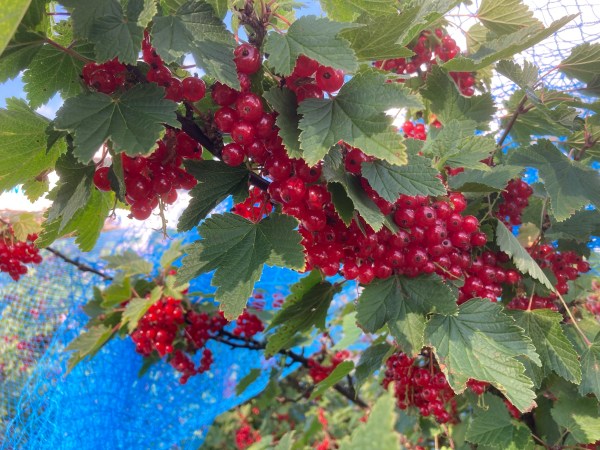
It is not easy to be sailors with a garden! Now there was also a chance to save the ripe black current and rasp berries.
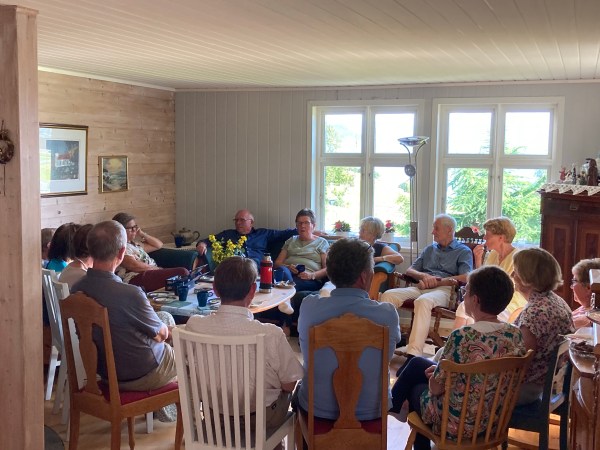
And here are the cousins gathered:
 Seil i vestavind/home
One response to “Summer sail 2023 I”
Veldig kjekk lesning! Håper på fortsatt oppdatering! 👍⚓️🛶⛴️🌻