July 3 – 9, 2025
This time we were two of us going back to the boat. On our way to Stavanger Thursday July 3 to take the train, we passed the beautiful old yacht Brødrene af Sand under full sail.
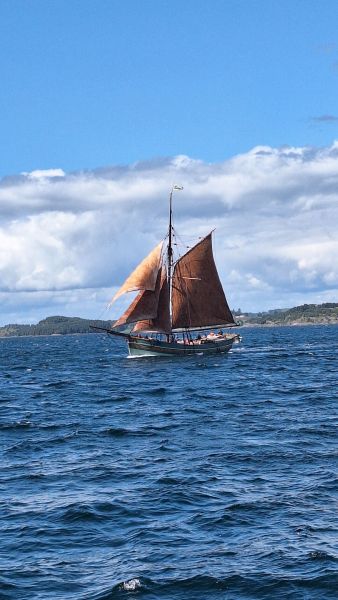
She was going to town for the sail off of Restauration, the replica of the first emmigrant ship that sailed from Norway to North America in 1825. Today’s Restauration will follow in their wake, leaving Stavanger on the 4th of July.

Coming back to Søgne, Petter collected us at the train station, and treated us to a delicious fish soup. We stayed with Petter and Margrethe for two days. They took us around in the area to see intersting places, among others an art exhibition in a former vicarage. Walking along the sea front in the local village, we happened to meet one of Signe Elisabeth’s (our daughter) friends, who was out baby strolling with her friend. Little world! She lives close by.

Saturday, when the rain had passed, we left the quiet marina and sailed back to Mandal, a little town popular for boating people. Thank you again Petter and Margrethe, for hospitality, long meals, good talks and friendship!

Sunday, July 6
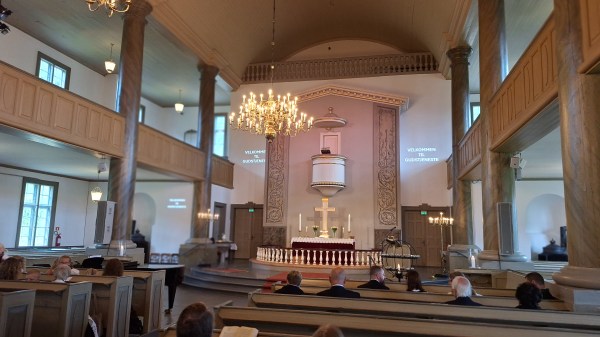
If possible, we like to go to the local church when we visit places. So also her in Mandal. We met up with good, old friends Marianne and Jon for the service, and went back to the boat for lunch and good, long talks, sharing of life’s concerns, and much laughter too.
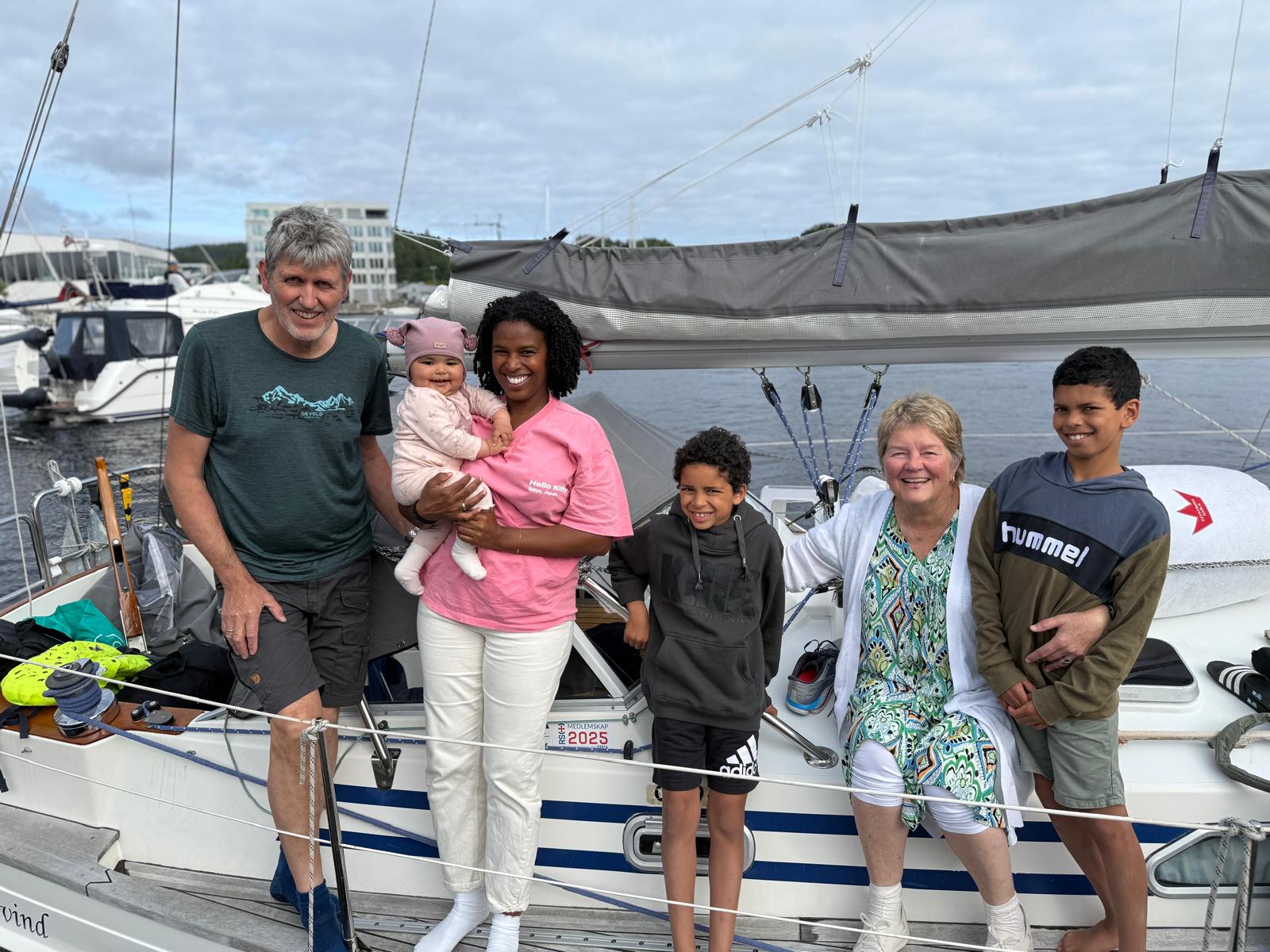
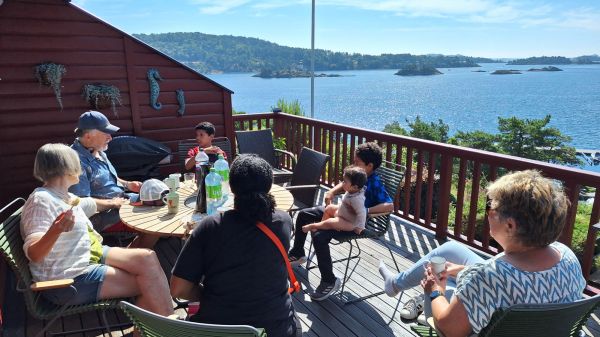
Signe Elisabeth and her children, Tobias, Oskar and Esther came in the afternoon, directly from a family camp. Tormod was going back to work, so he could not join us. With three adults and three children on board, the capacity was already full. They stayed with us for four days. We all had to go to bed and get up at the same time (except little Esther at eight months), to arrange and rearrange the boat. But the weather was beautiful, and we made sure we could spend a lot of our waking time on shore.


Monday, July 7
We spent much of the day on shore, in play grounds and in the old town.
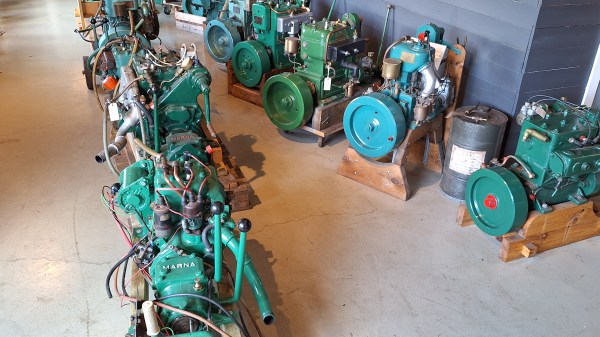
Positioned literally on the shore, Mandal has a long history of fishing, shipping and related industry. Some of this is preserved in museums. The sjekte is a typical, traditional boat along the coast here in the south. Klinker built, its ancestry goes back to the vikings and beyond, nearly two thousand years. Typically 22 – 24 feet long, you see them in almost every marina, now preserved for leisure. Ideally, it should have an old, one cylinder petrol engine, giving a nostalgic, putt-putt sound. Marna motors were famous along the coast, and were found in many fishing vessels from the 1920s until the end of the century. Still many of them run in these small clinker boats, whihc are popular as leisure vessels. I grew up with a 28 ft carvel built boat, which had a four cylinder petrol Marna installed in 1971. It was in the times when petrol was cheap! It could also run on a mix of petrol and kerosene.

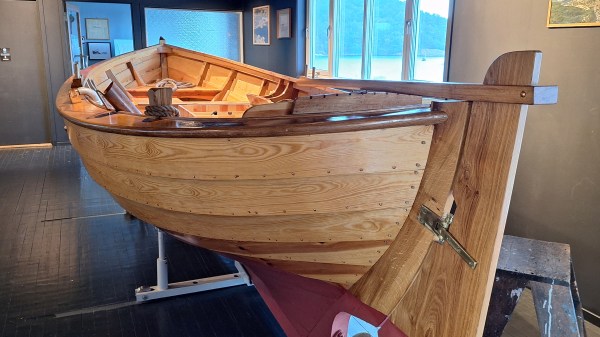
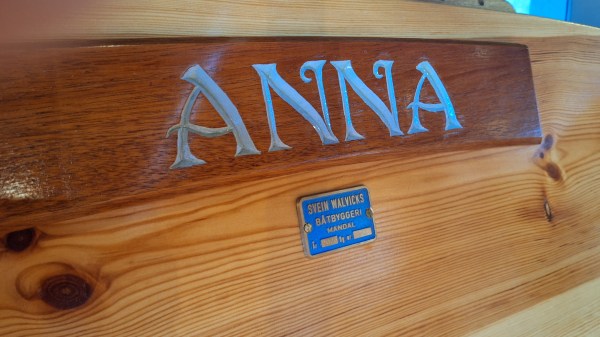


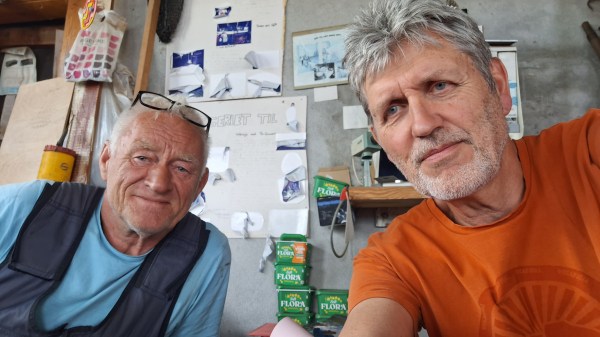
Here in Mandal, there is still a workshop where these clinker boats are built. Svein Walvick has been building these boats since he was seven, he told me, learning from his father. He is exactly my age. I visited him in his workshop, which is just a few hundred meters away from the marina where we were moored. There is a film made about him, which I had enjoyed watching. So I hoped I would get a chance to see heim in person. Petter knows him, and said I could take greetings from him. It was a very interesting and delightful meeting. He told me, as I also had seen in the film, that he does not have any drawings to follow when he builds his boats. It is up here, he said, tapping his head. He has some templates which give the basic measurements, and from there he uses eye sight. The result is the most beautiful clinker boats, from the over all lines to the smallest details. I will indulge in some photos below.
People with these skills are very rare. Building these boats is very labour intensive and costumers are not willing to pay the real cost. His current project is commissiond by the head of a finance company, good for twenty billion NOK (around two billion Euro). Then you must charge him what it costs, I said. No, I can’t do that, he replied.
We also found we have a shared interest in singing in choirs, not only in traditional boats.



Tuesday, July 8
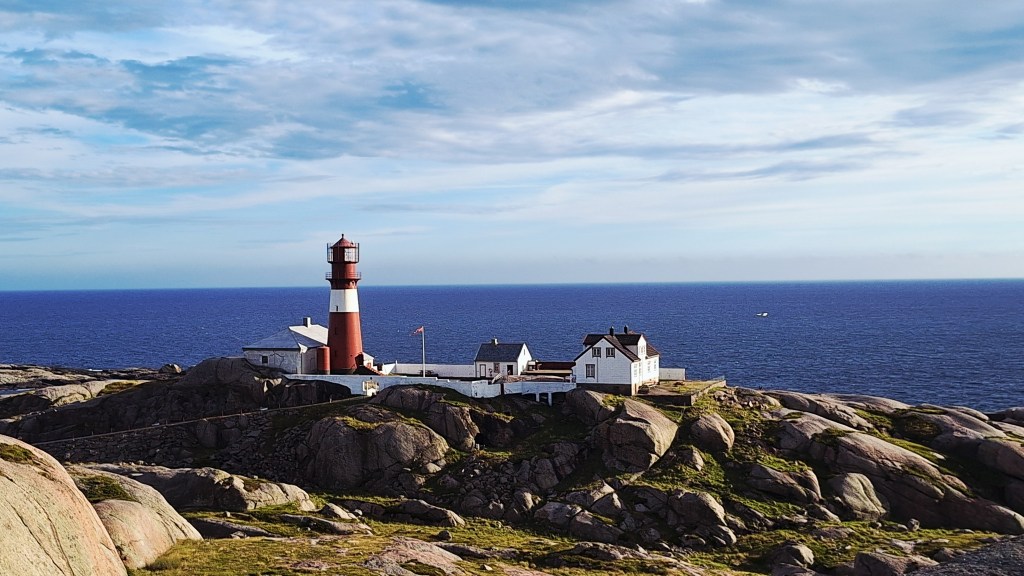
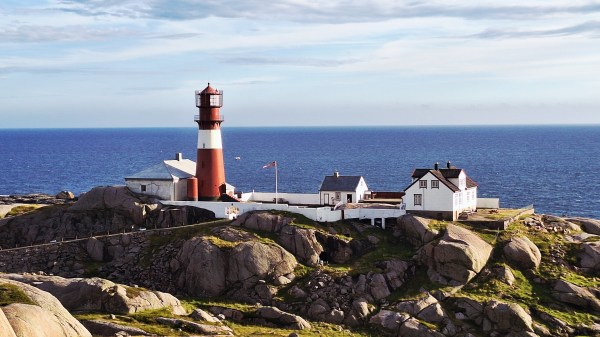
Tuesday came with calm, sunny weather. One of the places we wanted to visit, is Ryvingen, the souhernmost lighthouse in Norway. Situated on a little island (Lindesnes is on a peninsula on the mainland), it is only accessible by boat, and only when the wind is favourable. That is, it needs to be westerly, and not much. The forecast was good for the next couple of days, so we set out midday for Ryvingen. It took us only an hour to get there.
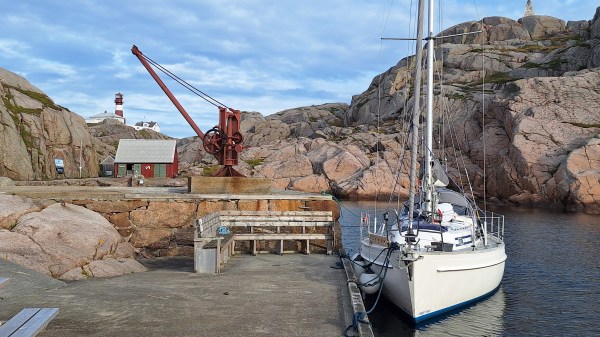
The only place to land is a little bay on the east side, where there is a jetty. The inner part is too shallow for sailboats, but there is a little pier we could tie up to. The lighthouse itself is operated by an official entity called Kystverket. The remaining buildings are taken care of by an association called Ryvingens venner (Friends of Ryvingen). I had talked to the chair lady about going out there, and she had informed the resident host that we were coming. Arne met us at the pier, and invited up to the station for coffee and waffles.
So as soon as we hade tied up properly, we walked up the steep road a few hundred metres to the station. Back when the ligt houses along the coast were manually operated, there would be whole families stationed on these outposts. Here at Ryvingen, three families used to live until the mid 1900s. At one point there were 35 people in all, with their own school. One family lived there for ten years.
Now, the family houses are preserved by Ryvingens venner. There is also a guest house with around 30 beds. The week we were there, Arne, his wife, daughters and grand children were all there. Members of the association can apply to be host for a week during the summer season.
We were received with coffee and waffles, and Signe Elisabeth, Tobias, Oskar and myself climbed the internal stairs up to the platform just below the light. The view was breathtaking!
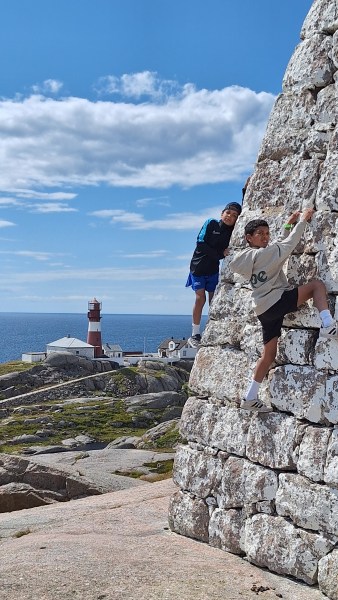
The boys and I took a walk, or climb, rather, to a hilltop with a large pillar. That provided a good climbing wall!
I had heard about Skinnerglova, a narrow gorge in the rocks on the west side, but we couldn’t find it first time. I walked out there later in the evening, and was rewarded. There is a band of very hard, black rock that comes to the surface in the gorge, a kind that was used to make tools by the stone agers.


Wednesday, July 9
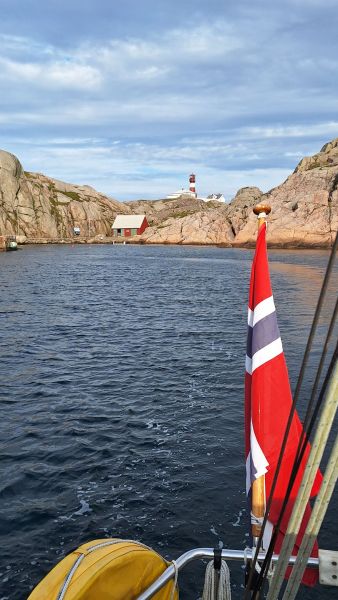
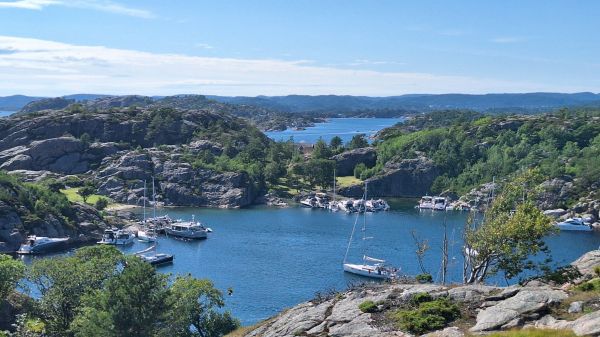
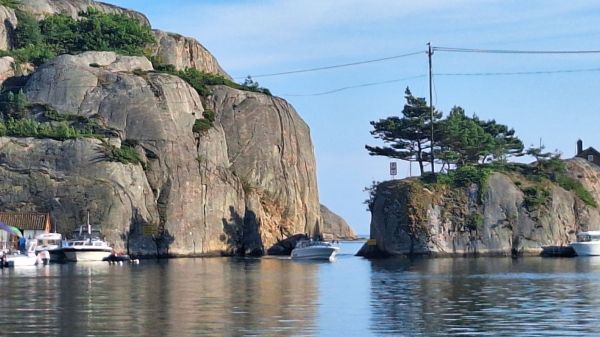
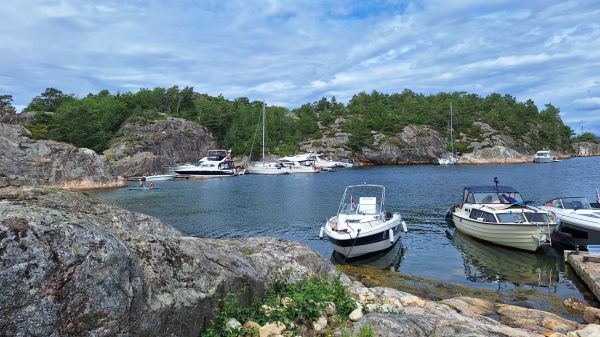
Early morning was a good time to leave Ryvingen, as the wind would pick up later. So we set out and had breakfast along the way. For the first part we could sail in light winds, and stop the engine. Beautiful and peaceful! As we entered narrow passages between the islands, the wind left us and we continued by engine to our next destination, Olavsundet (Olav sound). It is a rather wide bay with good anchorage, popular with both sailboats and motorboats. There are places to tie op along the shore, but many choose to drop the anchor in the bay. Dividing two islands, the entrances from north and south are narrow, and there is a cable across the north entrance, so we had to enter from the south.
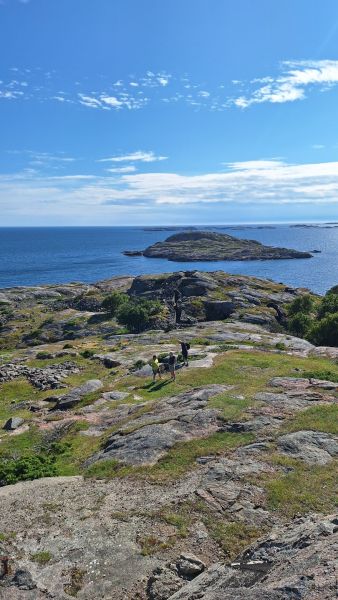
On one of the islands, Helgøya, there is a fort from the second world war. We visited the fort in the afternoon, together with Ellen’s brother and family, and Torunn, Signe Elisabeth’s friend and family, who live on nearby Flekkerøya.
Olavsundet is named after king Olav Haraldsson (also called St. Olav) who fought for the kingship of Norway around one thousand years ago. The legend has it that he and his men were trying to escape their enemies, and turned into the narrow opning to find refuge in the bay. The enemies could not find them and they were safe for the time being.




Thursday, July 10
After a quiet night between all the other boats, and an early breakfast, we left this beautiful anchorage to go back to our guest mooring in Søgne. We had booked train tickets for Stavanger, leaving a little past noon.
Again, Petter was at our service and shutteled us all to the train station. These last few days had been very warm, with temperatures close to 30 Celcius. We would all like to stay longer her at the south coast, but other plans lay ahead at home.
To be continued in the next post.


 Seil i vestavind/home